

VILNIUS City Guide

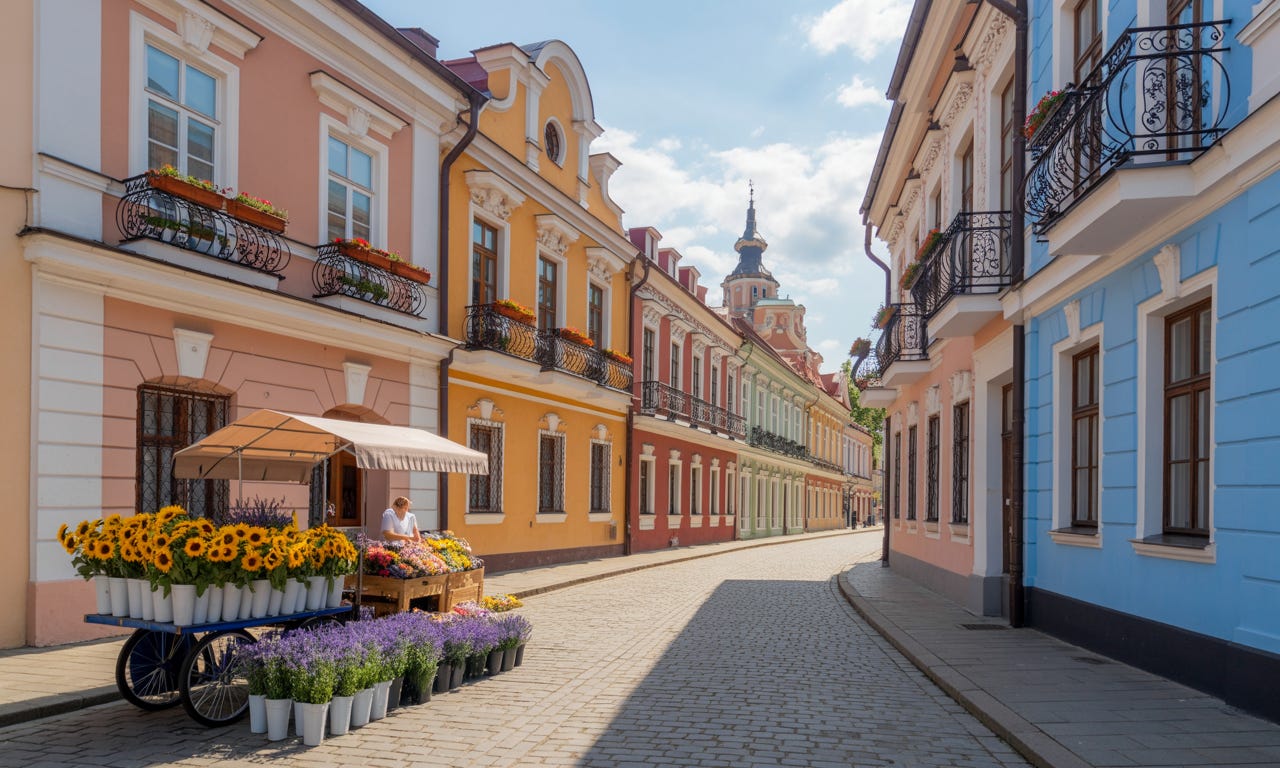
From the 13th century until the late 18th century, Vilnius stood at the political heart of the Grand Duchy of Lithuania, shaping the cultural and architectural identity of much of eastern Europe. By the 15th century, the Grand Duchy had grown into one of the continent’s largest states, stretching from the Baltic Sea to the Black Sea and spanning present-day Lithuania, Belarus, Ukraine, parts of western Russia, Podlachia and Moldova.
Despite centuries of invasions and upheaval, Vilnius has preserved its remarkable medieval layout alongside an elegant mix of Gothic, Renaissance, Baroque and Classical architecture. Since being named a UNESCO World Heritage Site in 1994, the Lithuanian capital has quietly flourished - and spring, when café terraces spill into cobbled streets and the city begins to glow again after winter, is perhaps the most enchanting time to experience it.


Where to eat
Vilnius’s food scene is flourishing, with everything from Michelin-starred restaurants to lively neighbourhood bistros, bean-to-bar chocolate makers and expertly curated speciality coffee shops. At fine-dining destination Nineteen18, traditional Lithuanian cuisine is reimagined with a refined contemporary edge, while Eleno brings together Nordic, French and Japanese influences in beautifully balanced dishes.
For something more relaxed, head to B’ARN Bistro, beloved for its farm-to-table cooking and excellent selection of natural wines, or 14Horses, set within the former stables of an aristocratic palace and serving seasonal dishes made with produce sourced from the restaurant’s own farm just outside the city.


Wine bars
Burbulio Vyninė is a small wine bar/shop in Vilnius Old Town, serving natural wines and NOLO from Italy, alongside simple, delicious snacks like cheeses and cold cuts. Expect plenty of regulars and a lively, welcoming atmosphere.
Just two minutes away you’ll find Vištidė, another cool wine bar in the Naujamiestis area. Run by two young ladies, it offers a beautiful selection of natural wines, with a strong focus on small French growers, as well as lovely Italian bites.

Sweet tooth
Nestled in the heart of Vilnius’ charming Old Town, Pilies Kepyklėlė is the kind of place you can’t help but fall for. With its rustic stone walls and solid wooden tables, it feels like stepping back in time. Breakfast is the star here - think fluffy pancakes and generously sized slices of cake that are almost too good to share.


Taste Map is a family-run coffee company with five locations across Vilnius. Working closely with coffee growers, it is known not only for its expertly roasted coffee but also for its strong educational focus, encouraging more conscious coffee consumption. Guests are often offered practical tips on brewing at home, while the team continues to share and expand their expertise alongside visitors.
Some locations also serve fresh, seasonal dishes, adding to the appeal. The Taste Map Tech Café, set within the grounds of Sapiegos Palace in one of Vilnius’ oldest parks, is particularly special - a serene, green escape that feels a world away from the city, despite being right in its heart.


Café de Pacai is probably the most luxurious café in Vilnius — and without a doubt one of the most creative. Alongside breads, cakes, pastries, and viennoiseries available to take away or enjoy in its elegant lounge, the café is especially known for its stunning trompe-l’œil desserts. Many are designed to look like fruits, with flavors ranging from yuzu to more unexpected creations like cardamom. They also serve a refined afternoon tea experience.


Visit
Vartai Gallery is Lithuania’s largest private gallery, offering a dynamic programme of contemporary art that resists any single medium or definition. From painting and photography to video and installation, it presents a constantly evolving dialogue between artists and ideas, while also playing a key role in promoting Baltic talent on the international stage.
Vilnius Picture Gallery, meanwhile, draws visitors into a more classical world, with historic European and Lithuanian works that reflect the elegance of former noble estates. Its collection spans from the 16th to the early 20th century, bringing centuries of painting and decorative arts to life. Alongside its permanent displays, the gallery hosts temporary exhibitions, concerts, lectures and cultural events, giving this historic setting a quietly vibrant energy.


MO Museum is one of Vilnius’ key contemporary art spaces and a must for modern art lovers. Designed by Daniel Libeskind, the building itself is a striking architectural landmark. Opened in 2018 by collectors Danguolė and Viktoras Butkus, it brings together a collection of over 5,000 works spanning more than 60 years of Lithuanian modern and contemporary art, much of it by artists still active today. Exhibitions change regularly, complemented by a lively programme of screenings, talks and cultural events.
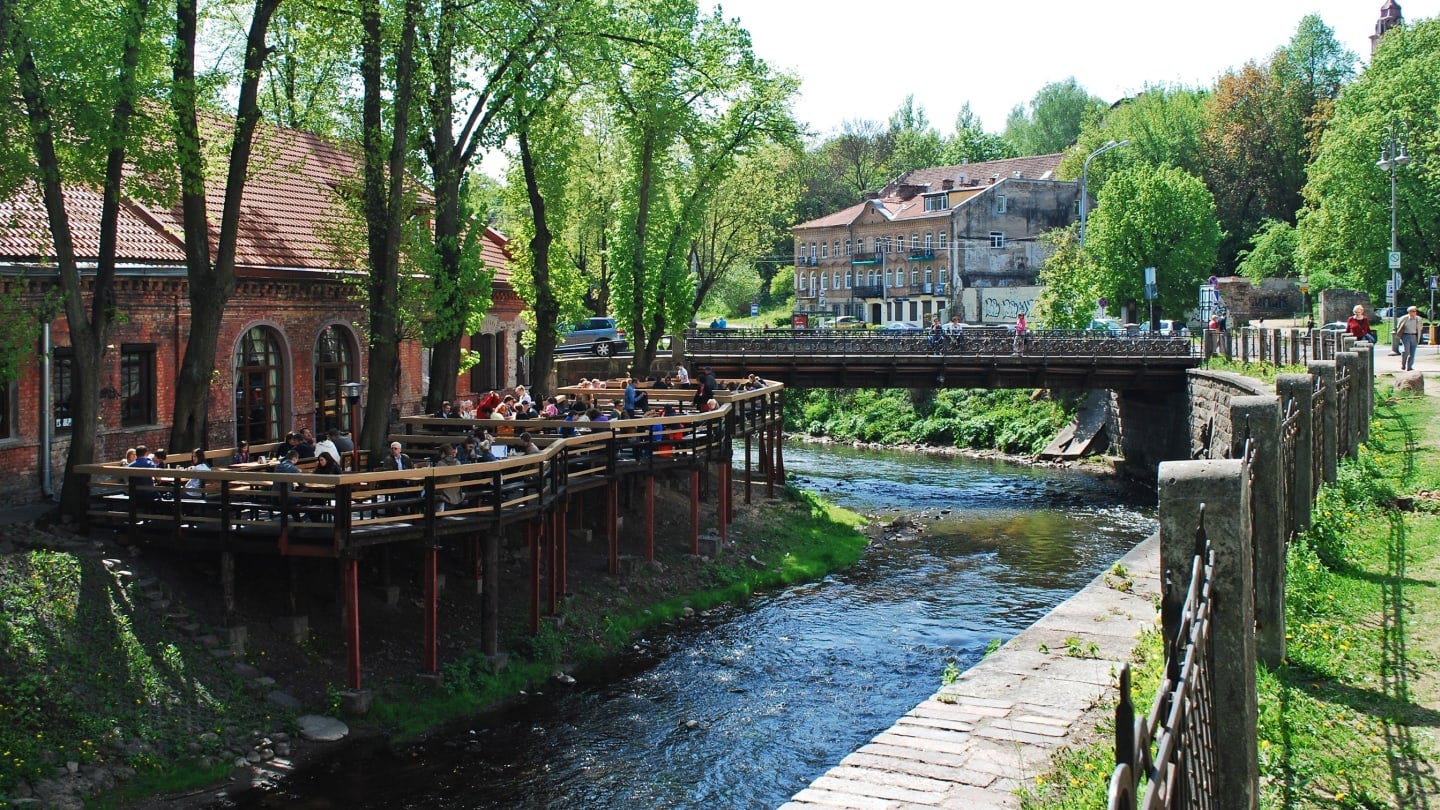
Just across the Vilnelė River from Vilnius’ Old Town, Užupis is a quirky, artistic neighborhood known for its creative spirit and independent attitude. Once neglected, it reinvented itself in the 1990s as a bohemian hub filled with galleries, cafés, street art, and workshops. In 1997, locals humorously declared the district an independent republic, complete with its own constitution and anthem. Today, Užupis remains one of Vilnius’ most unique areas, famous for its open-air art and free-spirited atmosphere.
Classics not to miss


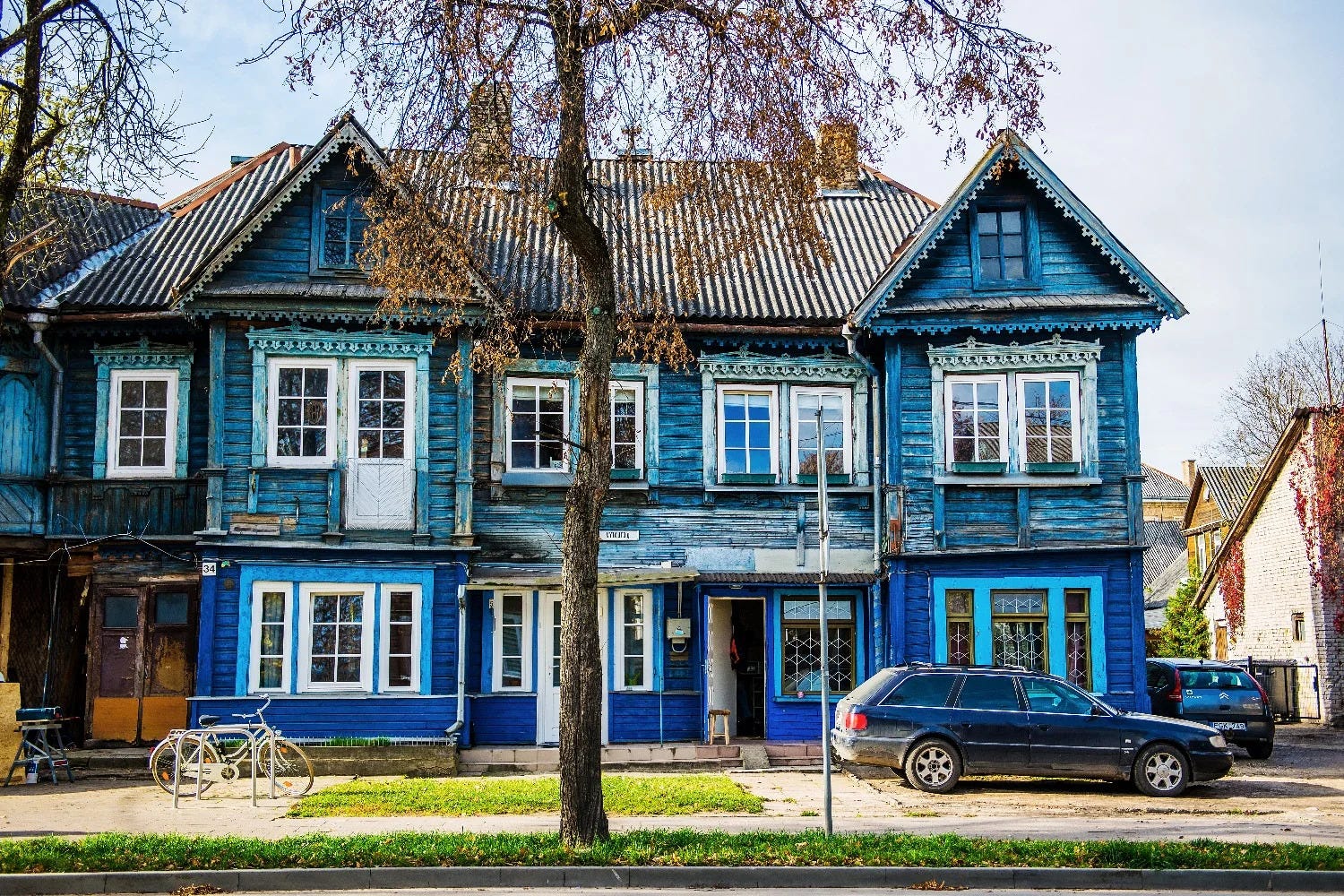
Wander the narrow streets of the Old Town, especially Literatų Street, where art and poetry spill onto the walls. Don’t miss the striking churches of St Anne and St Bernardine, the historic Vilnius University, or the elegant Cathedral. For a change of pace, head to Žvėrynas, a peaceful district known for its wooden villas and leafy green spaces.


Stay
Part of the Design Hotels collection, Hotel Pacai is set inside a beautifully restored 17th-century mansion in the heart of Vilnius. Original historical details uncovered during the renovation blend seamlessly with sleek contemporary design, creating a space that feels both deeply rooted in Lithuania’s history and unmistakably modern. The spa is a true highlight, and during warmer months, the courtyard comes alive with dinners, drinks, and cultural events featuring local artists and musicians.


What to bring back
Lithuania is famous for its high-quality linen, a craft deeply rooted in the country’s history and traditions. Made from locally grown flax, Lithuanian linen is prized for its durability, softness, and natural elegance. At Linen Tales or Lino Namai you’ll find everything from timeless tablecloths and bedding to modern clothing and home décor, often produced by small local workshops that combine traditional techniques with contemporary design.


Locals LT showcases one of the widest selections of Lithuanian designer products, carefully curated with a strong focus on quality and craftsmanship. With three boutiques across Vilnius, it’s a go-to for contemporary local design.
Standouts include NAÏVE bean-to-bar chocolate (special mention for the porcini and kefir), fragrances by Naturalios Idėjos, and their beautifully crafted Baltic amber collection.
Maria Canabal